Highlights
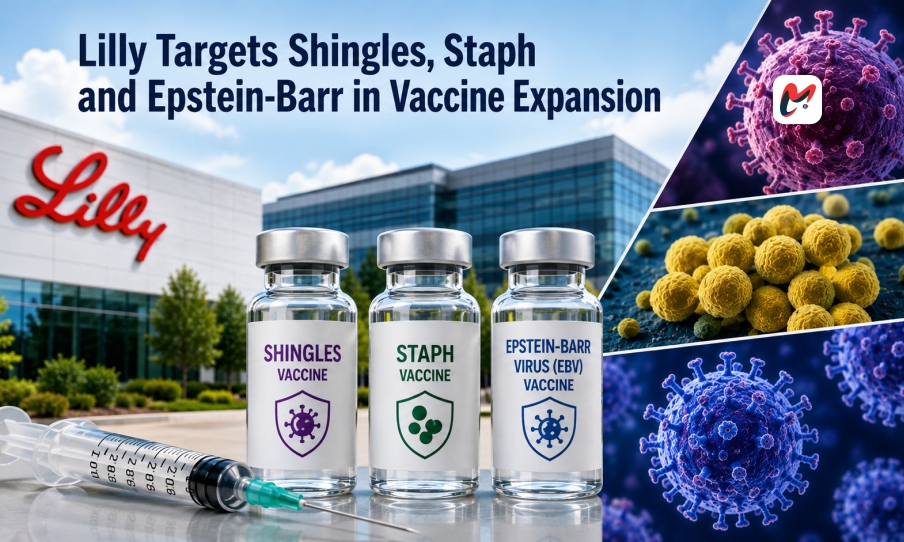
- Eli Lilly and Company is returning aggressively to the vaccines and infectious disease sector through three acquisitions valued at nearly $4 billion combined.
- The deals target vaccines for shingles, staph infections, and the Epstein-Barr virus, an area with no approved vaccine currently on the market.
- The acquisitions follow Lilly’s recruitment of former FDA vaccine chief Peter Marks, signaling a strategic expansion of its vaccine pipeline.
- Lilly is positioning the move as part of a broader preventive healthcare strategy focused on stopping disease before long-term complications emerge.
- The expansion comes despite ongoing political and regulatory uncertainty surrounding vaccines in the United States.
Key Takeaways
- Lilly is diversifying beyond obesity and diabetes drugs: The company is expanding into long-term infectious disease prevention.
- Vaccines re-enter Lilly’s strategic roadmap: The acquisitions mark one of Lilly’s biggest returns to the category in decades.
- Unmet medical needs drive the deals: The targeted vaccines aim to improve tolerability or create first-in-class prevention options.
- Preventive medicine becomes a larger pharma battleground: Companies are increasingly targeting infections linked to future chronic diseases.
- Pipeline building remains a priority: Lilly continues using acquisitions to accelerate growth beyond its blockbuster drug portfolio.
Core Background
Eli Lilly and Company is expanding its ambitions beyond metabolic health and blockbuster obesity treatments through a major push into vaccines and infectious disease prevention.
The pharmaceutical giant announced three acquisitions involving privately held biotechnology firms developing vaccines for shingles, bacterial infections, and the Epstein-Barr virus.
Together, the transactions are valued at nearly $4 billion and represent one of Lilly’s clearest strategic moves into preventive medicine in recent years.
The expansion is notable because Lilly currently has no commercial vaccine products on the market, despite historical involvement in vaccine distribution decades ago.
The company’s latest targets focus on areas where existing treatments remain limited or where no approved vaccines exist.
One acquisition centers on a next-generation shingles vaccine designed to potentially reduce side effects associated with current standard treatments, an issue that can discourage patients from completing vaccination schedules.
Another focuses on preventing Epstein-Barr virus infections, which researchers increasingly associate with serious long-term conditions including certain cancers and neurological diseases.
The strategy aligns closely with Lilly’s recent hiring of former FDA vaccine regulator Peter Marks, a move analysts view as a signal that the company intends to build a more substantial vaccine development platform.
Lilly executives say the acquisitions reflect a growing industry focus on preventing diseases at their biological origin rather than treating downstream complications years later.
Although these vaccine programs remain in relatively early stages of development, the deals position Lilly to compete in a market where preventive healthcare, immunology, and infectious disease innovation are increasingly intersecting with broader long-term health strategies.
Read Also : Kraft Heinz Reinvents Kool-Aid With New Electrolyte Hydration Packets