
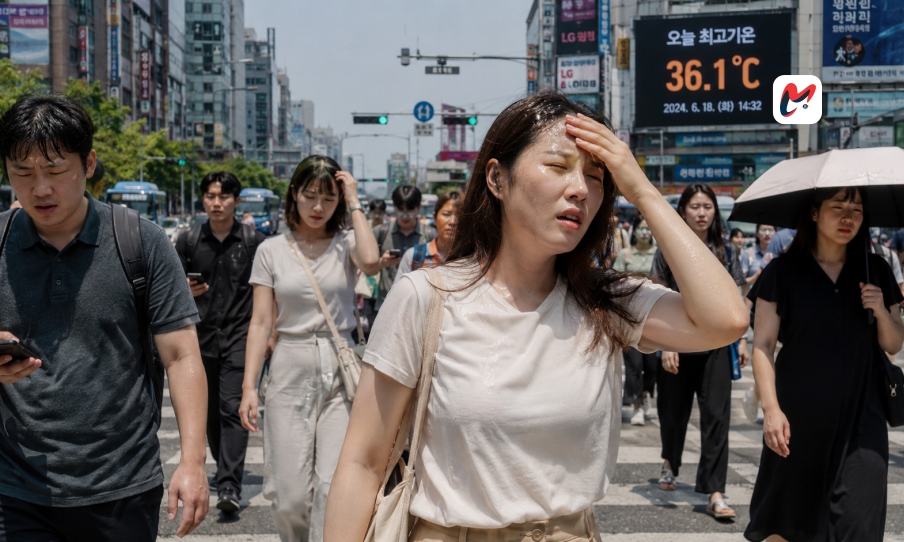
South Korea is experiencing one of the highest-ranking weather events in its modern history. The Heatwave in south korea resulted in record-breaking temperatures and a challenge for the authorities, as vulnerable groups were placed under extreme pressure. From the disruption of daily routines to extreme health risks, the impact of such high temperatures is difficult to be underestimated.
The southeast city of Yangsan hit a staggering 42.5 degrees Celsius, the highest temperature recorded in the country since the beginning of weather observations 122 years ago. The capital Seoul was also preparing to issue a severe heatwave warning as the extreme temperatures started spreading to the capital region. Moreover, thousands of people had to seek medical help due to heat-related complications, while many unfortunate Koreans have lost their lives due to the heatwave so far.
Reasons Behind the Record-Breaking Temperatures
There is a particular explanation for the Heatwave in south korea being accompanied by such extreme temperatures. The reason behind it was the convergence of two air masses creating a large heat dome over Korea. Basically, it means that several days of intense heat and humidity prevented cooler air from penetrating Korea, hence the temperatures “boiling” day after day.
Meanwhile, some regions of Korea experience the foehn effect which contributed to the dangerous levels of heat as well. It is a meteorological phenomenon related to warm air rushing down the mountains and leaving extremely hot and dry conditions on its way.
Weather experts are also monitoring the movement of Typhoon Dolphin, whose future path may influence whether the heatwave weakens or continues. However, regardless of the immediate forecast, climate scientists argue that such extreme weather events are becoming increasingly frequent because of long-term global warming. The intensity and duration of modern heatwaves are now exceeding historical norms across many parts of Asia.
Impact on Daily Life and Public Health
The Heatwave in south korea has disrupted almost every aspect of daily life. Hospitals are witnessing a steady increase in patients suffering from heat exhaustion, dehydration, and heatstroke. Since the beginning of the warm season, thousands of people have received treatment for heat-related illnesses, while the death toll has continued to climb.
Outdoor workers remain among the hardest hit. Construction workers, delivery personnel, farmers, and sanitation staff are spending long hours under direct sunlight, significantly increasing their risk of heat-related complications. Many have reported unbearable working conditions despite precautionary measures.
Electricity demand has also surged as households and businesses rely heavily on air conditioners to stay cool. Authorities are closely monitoring the power grid to prevent supply disruptions during peak demand periods. Public transportation systems, schools, and sporting events have also been affected, with some outdoor activities postponed or cancelled due to safety concerns.
Government Response to the Emergency
As the Heatwave in south korea intensified, the government launched emergency measures to reduce health risks and maintain essential services. President Lee Jae Myung instructed officials to prioritize public safety by expanding assistance for vulnerable populations and ensuring that workers receive adequate protection from the extreme temperatures.
Seoul has activated emergency cooling measures across the city. Water-spraying trucks have been deployed on major roads to reduce surface temperatures, while public cooling shelters have extended operating hours. Officials are conducting wellness checks on tens of thousands of elderly residents who may be particularly vulnerable to prolonged exposure to extreme heat.
Local governments are also distributing drinking water, umbrellas, and cooling supplies in several districts. Public awareness campaigns encourage residents to stay indoors during peak afternoon hours, remain hydrated, and seek immediate medical attention if symptoms of heatstroke appear. These efforts reflect how governments are increasingly treating extreme heat as a serious natural disaster rather than merely uncomfortable weather.
A Warning for the Future
The Heatwave in south korea is likely to become part of a broader global trend rather than an isolated event. Around the world, countries are experiencing longer summers, more frequent temperature records, and increasingly dangerous heatwaves. Scientists have repeatedly warned that rising greenhouse gas emissions are making such events more intense and more common.
South Korea’s current experience demonstrates how even technologically advanced nations remain vulnerable to extreme climate conditions. Urban infrastructure, healthcare systems, energy networks, and labor policies all face growing pressure as temperatures continue to rise.
Addressing these challenges requires more than emergency responses during summer. Long-term planning, investment in climate-resilient infrastructure, expanded green spaces, stronger worker protections, and improved disaster preparedness will be essential in reducing future risks. At the same time, international efforts to reduce carbon emissions remain critical for limiting the severity of future climate extremes.
The Heatwave in south korea serves as a powerful reminder that climate change is no longer a distant possibility. It is unfolding in real time, affecting public health, economies, and everyday life. As record-breaking temperatures become increasingly common, societies across the globe will need to adapt quickly while working collectively to address the root causes of a warming planet.