Highlights
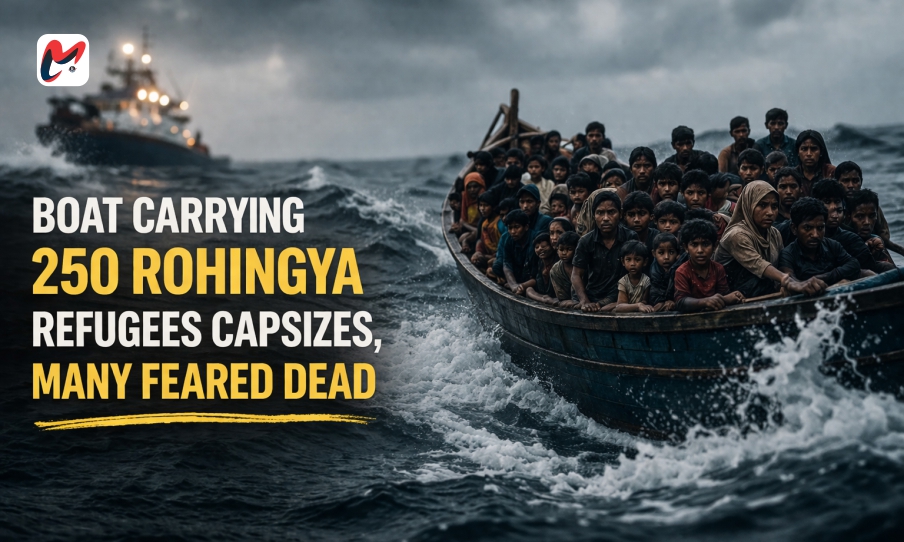
- A boat that transported approximately 250 Rohingya refugees together with Bangladeshi nationals sank in the Andaman Sea, resulting in multiple people being declared missing.
- The vessel departed from Teknaf in southern Bangladesh and headed toward Malaysia.
- The trawler sank because rough seas, strong winds, and overcrowding created unsafe conditions.
- The United Nations High Commissioner for Refugees, together with the International Organization for Migration, confirmed the incident while showing their alarm.
- The tragedy demonstrates how dangerous conditions endanger displaced communities who try to escape unstable situations.
Key Takeaways
- Continued humanitarian crisis development occurs because Rohingya refugees face danger after all existing solutions fail to provide them with permanent safety.
- Deadly conditions exist on unsafe migration routes because overcrowded and unseaworthy boats operate under dangerous weather conditions.
- International organizations need to implement an urgent global response because they demand continuous funding for humanitarian work and essential aid activities.
- Bangladesh faces ongoing pressure because its limited resources must support large numbers of refugees who continue to arrive in the country.
- The Myanmar violence accountability system remains broken because existing disputes over past violent events continue to obstruct all efforts toward resolution.
Core Background
The Andaman Sea capsizing incident demonstrates an ongoing deadly pattern that continues to occur. The fragile vessel which lacked adequate capacity received an excessive number of passengers who reached their destination through their urgent need to travel. The boat lost its structural integrity because of intense waves and strong winds, which resulted in hundreds of people being stranded in the open sea. The current situation includes many missing people and the public expects that there will be substantial fatalities.
The final hazardous journey for Rohingya refugees who escape Myanmar represents their last chance to escape danger. The legal system provides limited options for people who want to leave refugee camps, which forces them to use dangerous sea routes that result in deadly accidents. The same dangers exist on every voyage because of overcrowding and the absence of safety equipment and the unpredictable nature of weather conditions but the system maintains its operations.
The Teknaf area in Bangladesh serves as the primary destination for Rohingya refugees, who live in congested camps that provide them with minimal resources and create increasing doubt about their future. Families who face these conditions must depend on human smugglers who operate unsafe vessels to transport them across borders.
The Myanmar military launched its violent operation in 2017, which resulted in more than 730000 Rohingya people leaving their homes. The survivors reported incidents of murder and sexual assault, and they witnessed extensive property damage.
A United Nations investigation found that the actions of the Myanmar government involved acts of genocide, which the country continues to refute. The current disaster demonstrates that people who experience displacement will face deadly consequences until society creates permanent solutions for their relocation. The capsized boat, with its human casualties at sea, shows the ongoing crisis, which remains unsolved by international authorities.