
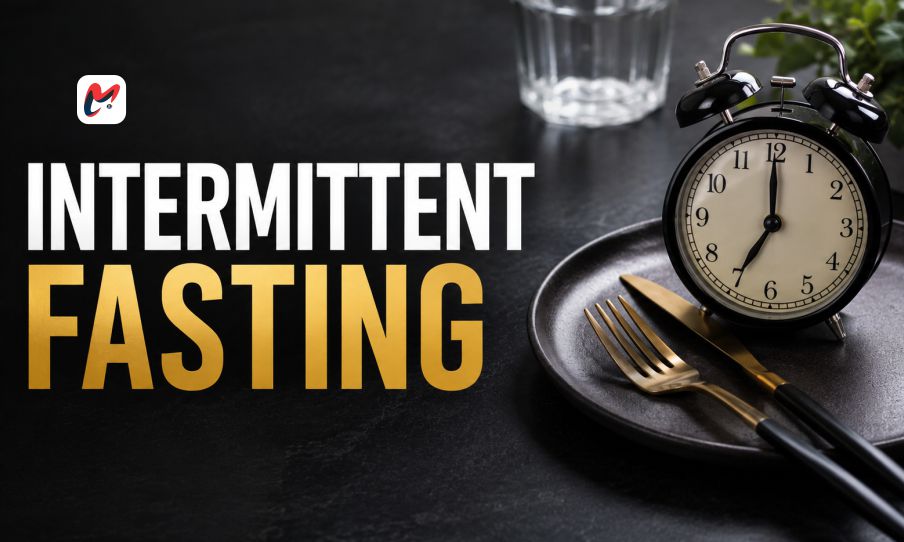
In the last couple of years, a new interest to wellness has arisen that focuses less on what to eat and more on when to eat. The main concept behind this idea is called intermittent fasting, and it offers a refreshing alternative to the established dietary habits. Basically, it suggests changing the usual patterns of eating, making the person not restrict any particular foods and even enjoy their favorite ones, while still having an amazing transformation throughout their body. However, to truly get into the spirit of things and understand intermittent fasting, it is essential to first explain its mechanism and how it can improve one’s health.
What Is the Science Behind the New Way of Eating?
When analyzing the way intermittent fasting works, it becomes obvious that there are certain mechanisms that alter the metabolism of a person who adheres to this way of eating. To be more precise, when one skips meals for extended periods of time, the body goes through a process where it burns stored fat, thus cleansing the system and providing the person with better health outcomes.
First and foremost, during a typical day, the body breaks down carbohydrates in order to turn them into glucose, which is then used as energy. Any excess of this sugar is stored as fat, which can lead to weight gain and multiple health issues if not dealt with. However, during intermittent fasting, the process is interrupted due to the person’s eating schedule. Basically, since they do not eat at regular times, the glucose levels drop, and the body needs to find some energy anyway, so it proceeds to break down the fats stored in the body. As a result, people who fast intermittently lose weight, burn fats and feel healthier overall. Besides that, this process also activates the body’s ability to remove unhealthy cells, thus replacing them with newer and healthier ones.
Popular Methods and Choosing the Right Schedule for Your Lifestyle
One of the greatest advantages of this dietary structure is its inherent flexibility, as there is no single right way to implement it. Beginners often start with the popular 16:8 method, a form of intermittent fasting where you fast for sixteen hours and condense your daily meals into an eight-hour window. For instance, you might finish your final meal of the evening by eight o’clock and then skip breakfast the following morning, eating your first meal at noon. Others prefer more advanced variations, such as the 5:2 approach, which allows normal eating for five days of the week while drastically restricting calories on the remaining two days. No matter which variation you choose, the core philosophy of intermittent fasting remains exactly the same: giving your digestive system a prolonged, much-needed break to optimize overall hormonal function and insulin sensitivity.
Overcoming Initial Challenges and Staying Hydrated Throughout the Day
Transitioning away from a traditional three-meals-a-day routine can initially pose some psychological and physical hurdles as your body adapts to the change. During the first week of exploring intermittent fasting, you will likely experience temporary hunger pangs, mild headaches, or slight fluctuations in your daily energy levels. These symptoms are entirely normal and simply indicate that your hunger hormones, specifically ghrelin, are adjusting to your new timeline. To minimize these side effects, it is absolutely crucial to prioritize your hydration by drinking plenty of water, black coffee, or unsweetened herbal teas during your fasting windows. Successfully navigating the early stages of intermittent fasting requires patience, discipline, and a willingness to listen to your body’s true signals rather than eating out of habit or boredom.
Long Term Health Benefits Beyond Simple Weight Management
While dropping extra pounds is often the initial catalyst that draws people to this lifestyle, the physiological perks extend far beyond the numbers on a scale. Scientific research increasingly demonstrates that regular intermittent fasting helps lower systemic inflammation, reduces oxidative stress, and significantly improves markers for cardiovascular health. Furthermore, by giving your pancreas a break from constant insulin production, this habit acts as a powerful shield against insulin resistance and type two diabetes. Many practitioners also report a profound surge in mental clarity and sustained daily energy, free from the standard mid-afternoon slumps associated with frequent carbohydrate snacking. Ultimately, embracing intermittent fasting is not about punishing your body through starvation, but rather about establishing a balanced, ancestral rhythm that allows your entire biological system to thrive.