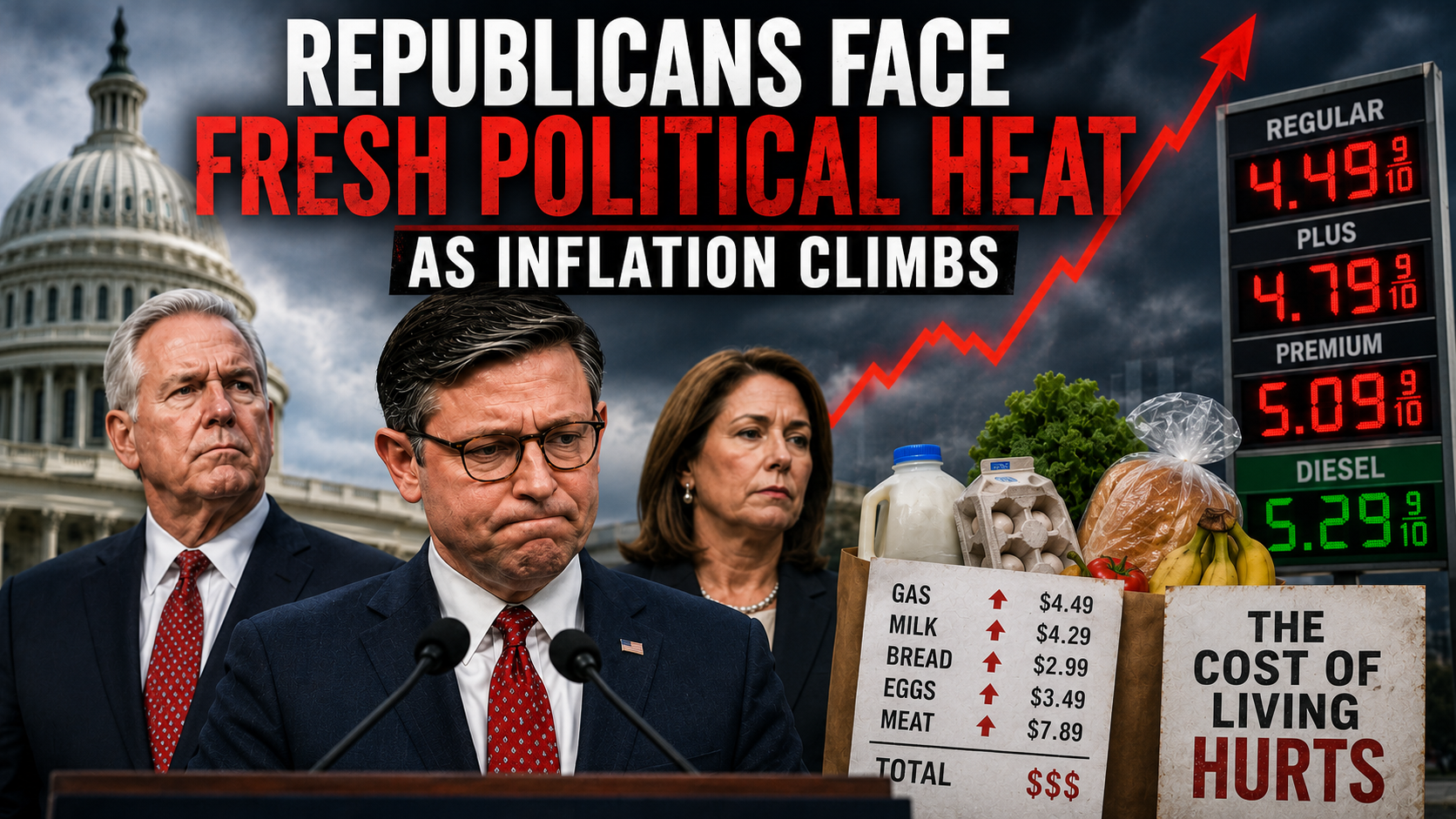
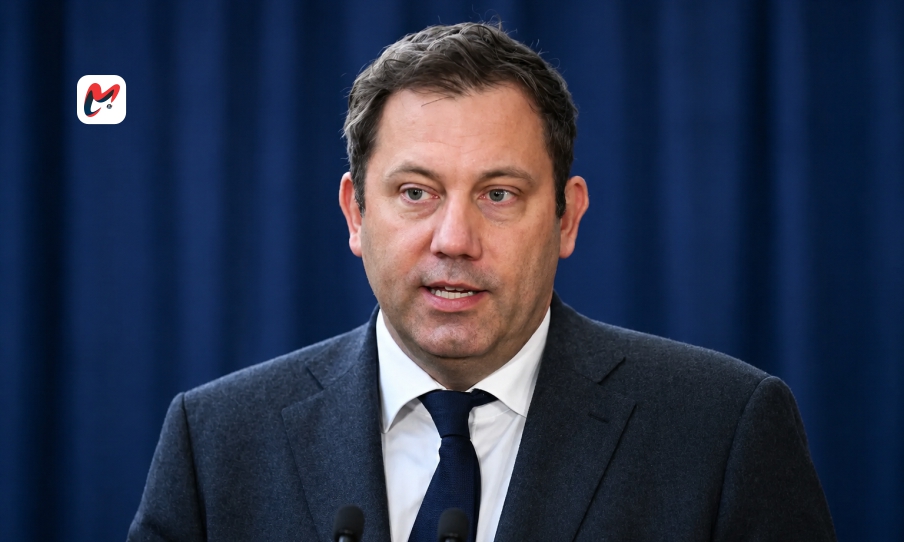
Now things look much worse for Germany’s economy, according to its ruling coalition. Taxes are expected to fall way short, and Klingbeil – yes, the finance minister – points straight at Trump. His move in Iran sparked what some now see as unavoidable financial fallout. A sharp turn in numbers follows that moment overseas. Not guesses, just shifting figures on ledgers. One decision abroad echoes through German budget halls. Numbers dip where they once held steady.
Now things look tighter for Germany’s finances through 2030, after officials cut expected tax income by nearly €70 billion. Because of what Klingbeil called an “irresponsible war,” global energy prices went wild, hitting factories hard and slowing down spending at home.
A Relationship Under Strain
Now things have gotten worse economically just as talks between Germany and the U.S. keep falling apart. Tensions spiked when Chancellor Friedrich Merz said Iran left the American team looking defeated during recent discussions.
Out of nowhere came Trump’s response, fired off on Truth Social – Merz got it wrong, plain and simple. The Chancellor? Clueless, according to Trump. Problems in Germany didn’t come from outside forces; they started at home instead – with how people were let in, plus where power was coming from. Mistakes made locally did the damage.
Key Points of Contention:
- The “Strategic Exit”: Chancellor Merz has publicly criticized the U.S. for lacking a clear strategy, noting that Iranian leadership has been “very skillful at not negotiating.”
- Troop Withdrawals: Following the war of words, the Pentagon announced plans to withdraw 5,000 U.S. troops from German bases—a move many see as a retaliatory gesture by the Trump administration.
- The Hormuz Crisis: While Trump has pressured NATO allies to help reopen the Strait of Hormuz, Germany remains a vocal critic of the joint U.S.-Israeli offensive launched on February 28.
The Energy Chokehold
The economic impact is largely driven by the effective closure of the Strait of Hormuz, a vital maritime artery through which 20% of the world’s oil and liquefied natural gas (LNG) flows.
Economic Consequences of the Conflict
The fiscal fallout of the crisis is underscored by a projected €70 billion decrease in tax revenue between 2026 and 2030, a figure that highlights the severe strain on Germany’s national budget. This financial decline is driven by a paralyzed energy market, where fuel prices have soared following the blockade of Iranian ports. The disruption is visible on a global scale, with approximately 2,000 ships remaining stranded in the Gulf since February, effectively halting the flow of essential goods and resources.
Fragile Hopes for Peace
Despite the rhetoric, there are flickering signs of a diplomatic breakthrough. A temporary ceasefire is currently holding, and President Trump remarked on Wednesday that the war would be “over quickly.”
However, the situation remains precarious. While Iran is reportedly reviewing a U.S. peace proposal, negotiations are currently stalled as the U.S. maintains a strict blockade on Iranian ports, leaving the global energy market—and the German economy—in a state of high-stakes limbo.
Read Also : Larry Ellison Heads Tech‑Industrial Powerhouse Redefining Global Computing Foundations