
Highlights
- Oil prices climbed as supply disruption fears intensified following fresh warnings from the International Energy Agency and updated demand projections from OPEC.
- OPEC lowered its 2026 oil demand growth forecast while production losses deepened amid escalating Middle East supply disruptions.
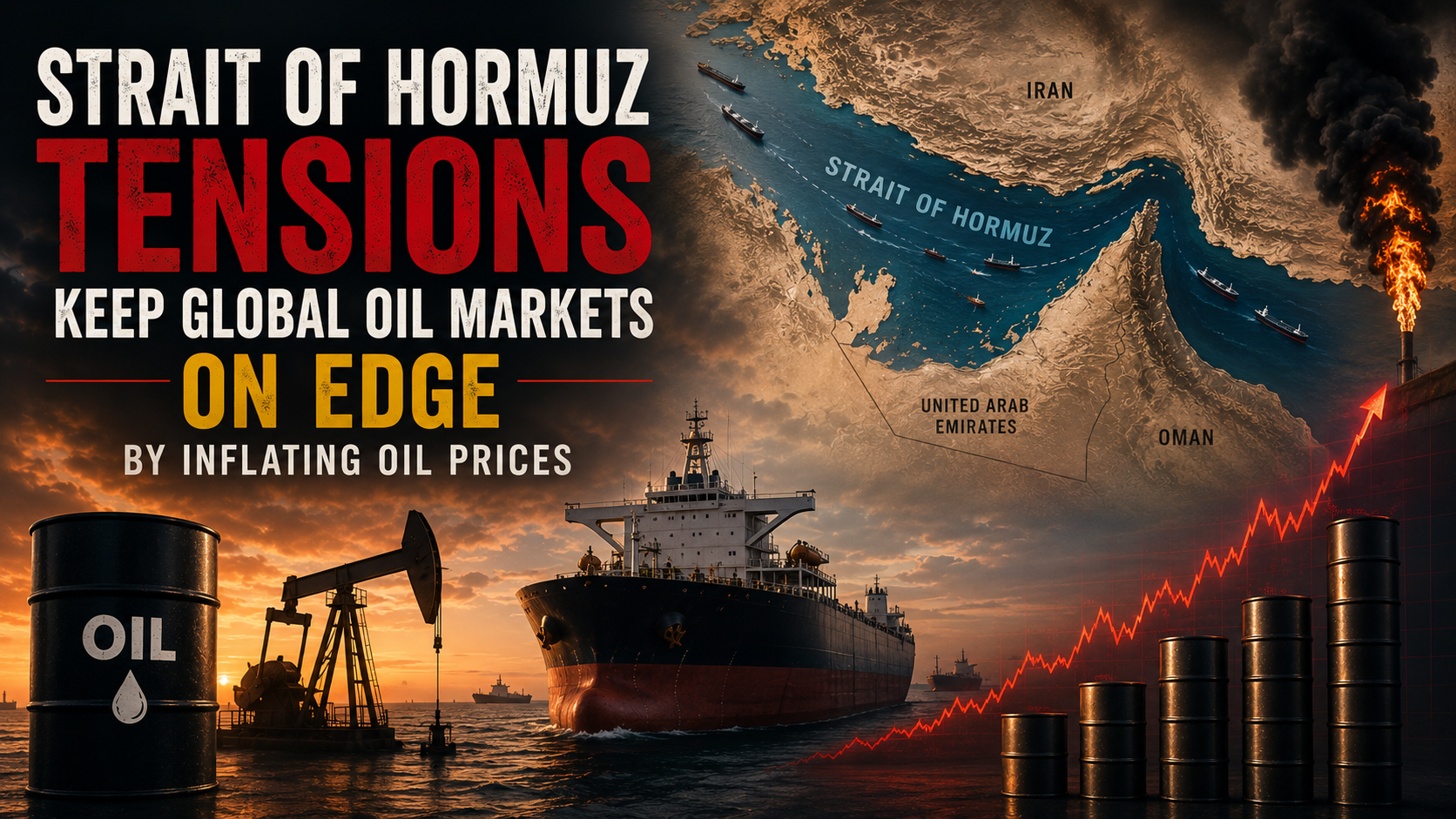
- The International Energy Agency warned that prolonged supply losses through the Strait of Hormuz could trigger heightened market volatility heading into peak summer demand.
- Traders also monitored diplomatic developments between the U.S. and China for broader geopolitical and energy market implications.
Key Takeaways
- Geopolitical risk continues to dominate oil markets: Supply disruption concerns are outweighing weaker demand signals.
- The Strait of Hormuz remains a critical pressure point: Any prolonged closure threatens global energy stability.
- Volatility is likely to intensify: Peak seasonal demand combined with supply uncertainty creates stronger price risk.
- Demand outlook weakens, but supply shock matters more: OPEC’s softer forecast has not offset market anxiety over physical shortages.
- Global diplomacy directly affects energy pricing: Political developments now carry immediate market consequences.
Core Background
Global oil prices moved higher as escalating geopolitical tensions and supply disruption concerns overshadowed softer demand expectations. OPEC lowered its oil demand growth outlook for 2026, signaling a more cautious view on consumption growth. However, markets focused far more heavily on shrinking supply.
Production losses have intensified across Gulf producers following disruptions linked to conflict in the Middle East, particularly around the Strait of Hormuz, one of the world’s most strategically important energy transit chokepoints.
The International Energy Agency warned that sustained supply interruptions are rapidly depleting global oil inventories and increasing the likelihood of sharper price swings as summer demand accelerates. With millions of barrels per day effectively removed from the market, traders remain highly sensitive to any signals around conflict escalation, shipping security, and infrastructure risk.
The broader geopolitical environment is also shaping sentiment. Diplomatic engagement between the United States and China remains under close watch, particularly as both nations hold significant influence over global economic stability and energy demand patterns.
Even as demand projections soften, the current market narrative remains driven by one dominant factor: supply insecurity. Until geopolitical tensions ease or supply routes stabilize, oil markets are likely to remain highly reactive and structurally volatile.