
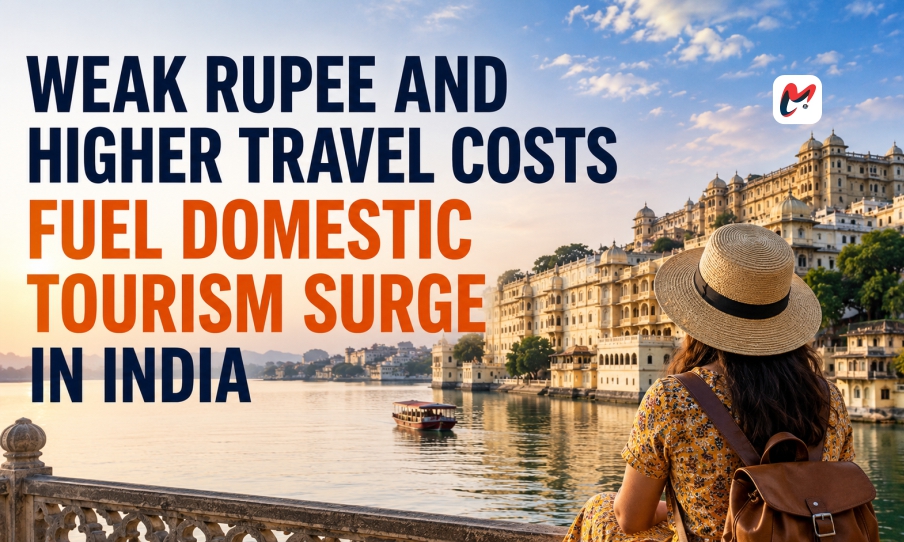
Highlights
- Rising tensions in the Middle East are putting pressure on India’s economy through higher energy costs, a weakening rupee, and growing concerns over slower economic growth.
- At the same time, India’s domestic tourism and hospitality sectors are witnessing a significant surge in demand.
- Narendra Modi recently encouraged citizens to reduce overseas travel in an effort to conserve foreign exchange reserves.
- Indian travelers are increasingly shifting from international holidays to local destinations as outbound travel becomes more expensive and uncertain.
- Hospitality operators across India are reporting stronger hotel occupancy, higher bookings, and rising room prices ahead of the peak summer season.
Key Takeaways
- Global conflict is reshaping Indian travel behavior: Economic uncertainty and rising travel costs are redirecting demand toward domestic tourism.
- India’s hospitality sector emerges as a major beneficiary: Hotels, resorts, and premium rental platforms are seeing accelerated growth.
- Weak currency impacts outbound travel: A softer rupee and higher aviation costs are making international vacations less attractive.
- Domestic luxury travel gains momentum: Travelers are increasingly choosing premium local destinations over overseas experiences.
- Wedding and leisure tourism could expand further: Industry leaders expect more destination events and holiday spending to stay within India.
Core Background
The ongoing conflict in the Middle East is creating economic pressure for India through rising oil prices, currency weakness, and concerns surrounding growth and trade stability.
However, one sector is experiencing an unexpected upside: domestic tourism.
As international travel becomes more expensive and operationally challenging, Indian travelers are increasingly choosing local destinations for vacations, luxury stays, and family holidays.
The shift comes during one of the busiest annual travel periods for Indian consumers, when schools close for summer and families traditionally plan extended overseas trips.
A weakening rupee has significantly increased the cost of foreign travel, while elevated aviation fuel prices have also disrupted airline operations and reduced international flight availability.
Against that backdrop, hospitality companies across India are reporting sharp increases in occupancy levels, booking momentum, and premium travel demand.
Luxury hotel operators, holiday rental platforms, and resort destinations are particularly benefiting from travelers redirecting budgets toward domestic experiences.
Northern hill destinations, wellness retreats, and premium leisure properties are seeing especially strong traction as travelers seek alternatives to costly European vacations.
The trend is also extending beyond leisure tourism. Industry leaders expect destination weddings and large-scale celebrations to increasingly shift from international venues to Indian luxury properties, creating an additional growth engine for the hospitality sector.
For India’s tourism industry, the current geopolitical disruptions are accelerating a broader transformation already underway: the rise of domestic premium travel as a major economic force.
Read Also : 100 Days of War: How the Middle East Conflict Continues to Reshape Global Markets