
Highlights
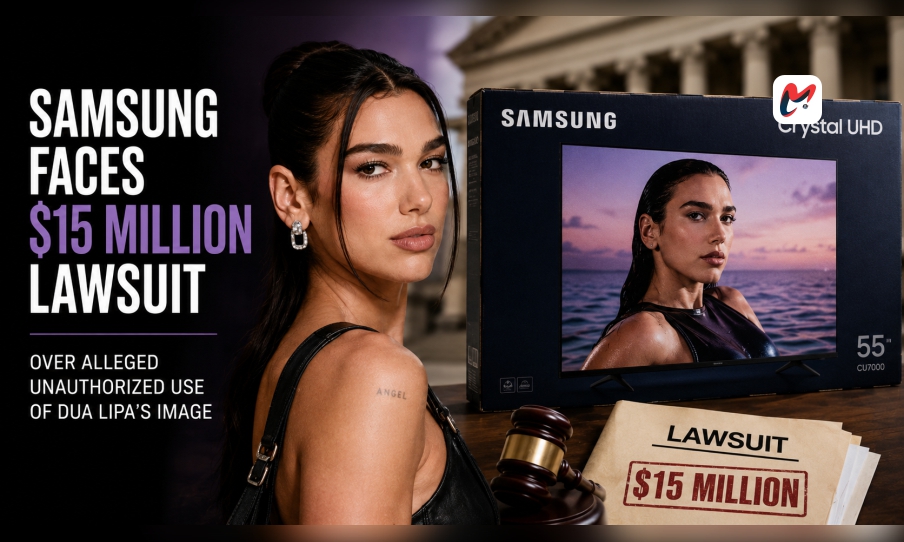
- Dua Lipa filed a $15 million lawsuit against Samsung, alleging unauthorized use of her image on television packaging sold in the United States.
- The lawsuit claims Samsung used her likeness to promote TV sales without her permission, turning the packaging into a commercial marketing asset.
- Lipa’s legal team included claims of copyright infringement, trademark infringement, and misappropriation of likeness.
- Samsung denied wrongdoing, stating that a third-party content provider supplied the image and assured the company that all permissions had been secured.
- The dispute raises broader questions around celebrity image rights, brand licensing, and corporate accountability in marketing partnerships.
Key Takeaways
- Celebrity image rights remain high-value assets: Public figures aggressively protect their likeness as a core commercial property.
- Third-party licensing creates legal exposure: Brands remain responsible for verifying rights clearance, even when vendors supply content.
- Brand endorsements carry measurable influence: Consumer reactions highlighted the commercial value attached to celebrity visibility.
- IP disputes extend beyond copyright: Trademark claims and likeness rights can significantly increase legal and financial stakes.
- Settlement pressure may build: High-profile brand-celebrity disputes often move toward negotiated resolution rather than prolonged litigation.
Core Background
Dua Lipa has launched legal action against Samsung, seeking $15 million in damages over the alleged unauthorized commercial use of her image.
The lawsuit alleges that Samsung displayed a photograph of the singer on packaging for televisions sold in the U.S., using her likeness to attract buyers and enhance product appeal without obtaining her approval.
According to the legal filing, the disputed image originated from Lipa’s 2024 performance at the Austin City Limits Festival, with her legal team asserting ownership rights over the photograph and related commercial usage.
The complaint also claims that consumers recognized the packaging association, with social media users informally referring to the product as the “Dua Lipa TV Box,” reinforcing the argument that her image carried direct marketing value.
Lipa’s legal representatives argue that Samsung continued using the image despite repeated requests to stop.
Samsung rejected the allegations, stating that a third-party content partner provided the image for use in connection with content available through Samsung TV Plus and explicitly confirmed that all permissions had been properly secured, including retail packaging rights.
The case highlights a critical issue in celebrity commerce: the growing legal and financial importance of image rights in an era where brand partnerships, endorsements, and visual identity directly influence consumer purchasing behavior.
For brands, the dispute serves as a reminder that outsourced content sourcing does not eliminate legal responsibility when intellectual property and likeness rights are involved.