Highlights
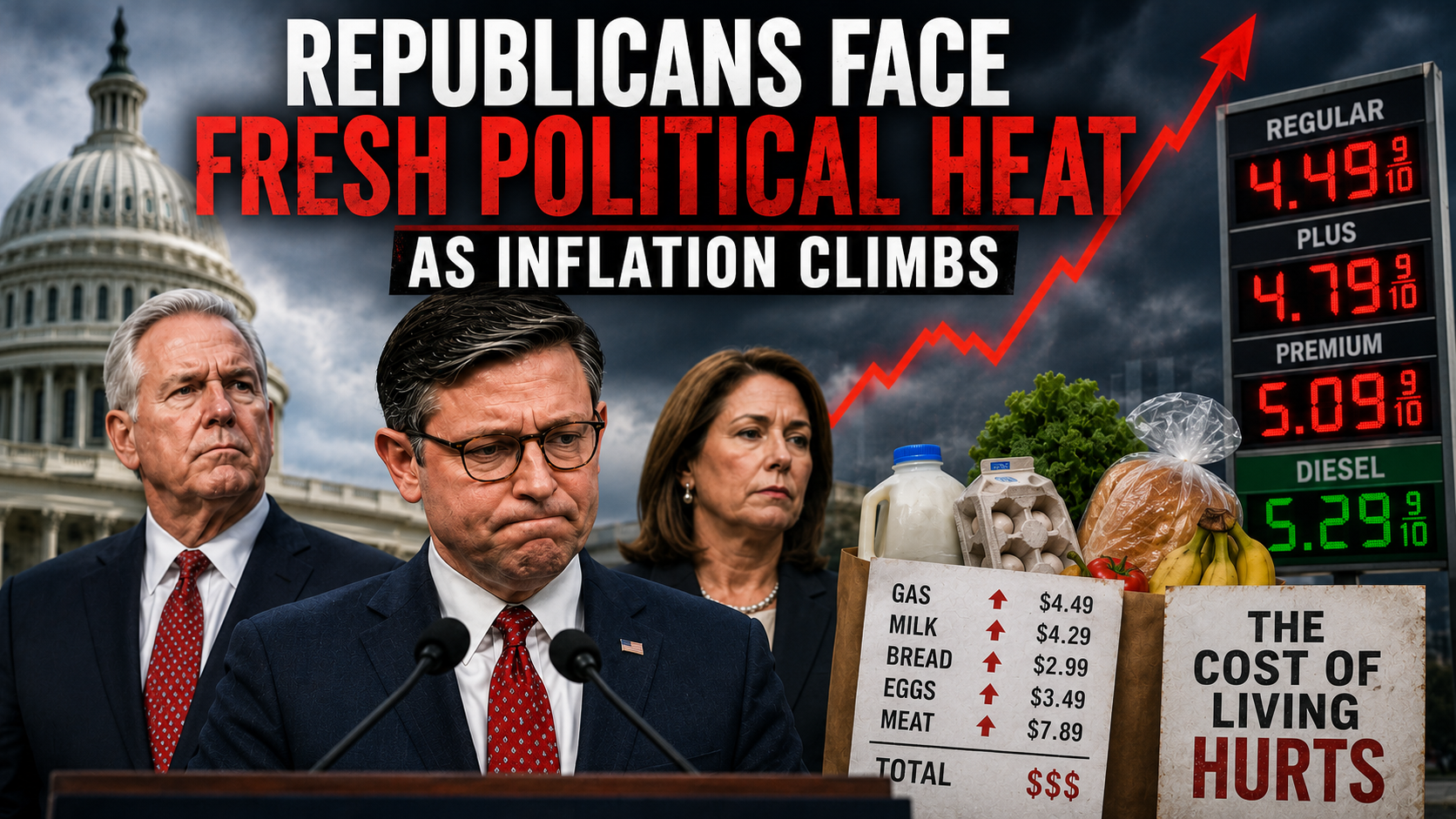
- Rising inflation is creating fresh political pressure for Republicans as consumer prices accelerate ahead of the 2026 midterm elections.
- Higher energy costs have emerged as a major inflation driver, intensifying affordability concerns for households already dealing with prolonged price pressures.
- Some Republican lawmakers are openly questioning whether current policy priorities align with voter concerns around everyday living costs.
- Polling indicates growing voter dissatisfaction with economic management, creating a potentially difficult electoral environment for the GOP.
- Political debate is intensifying over how quickly policymakers can address kitchen-table economic pressures before November.
Key Takeaways
- Inflation is becoming a political liability: Rising prices threaten to reshape the midterm election narrative.
- Energy costs remain central to affordability concerns: Fuel prices continue influencing broader inflation sentiment and household budgets.
- Internal Republican divisions are surfacing: Not all party members agree on economic strategy or messaging.
- Voter patience appears to be wearing thin: Cost-of-living frustrations remain one of the most emotionally charged political issues.
- Economic outcomes may define the election cycle: Inflation management could become one of the decisive campaign battlegrounds.
Core Background
Inflation is re-emerging as a major political challenge in the United States, placing renewed pressure on Republican leaders as the 2026 midterm election season approaches.
After campaigning heavily on restoring affordability and easing household financial stress, the party now faces scrutiny as rising prices once again dominate public concern.
Energy inflation has become a key pressure point, with higher fuel costs feeding into broader consumer price anxiety and affecting transportation, groceries, and household budgets.
The political challenge is particularly sensitive because affordability has remained a defining voter concern for several years, with many households still feeling the cumulative effects of earlier inflation shocks.
Within Republican ranks, some lawmakers have begun expressing concern over messaging, priorities, and the broader economic response, signaling emerging differences over how the party should address voter frustration.
Democrats, meanwhile, are positioning the inflation resurgence as evidence of failed economic promises, seeking to make cost-of-living pressures a central election argument.
Polling trends suggest economic sentiment remains fragile, with voter approval on affordability issues showing clear weakness.
The broader question for policymakers remains whether inflationary pressure can ease quickly enough to change public sentiment before election campaigning reaches full intensity.
For both parties, the economy remains more than a policy issue—it is increasingly becoming the central political battlefield of the 2026 cycle.