
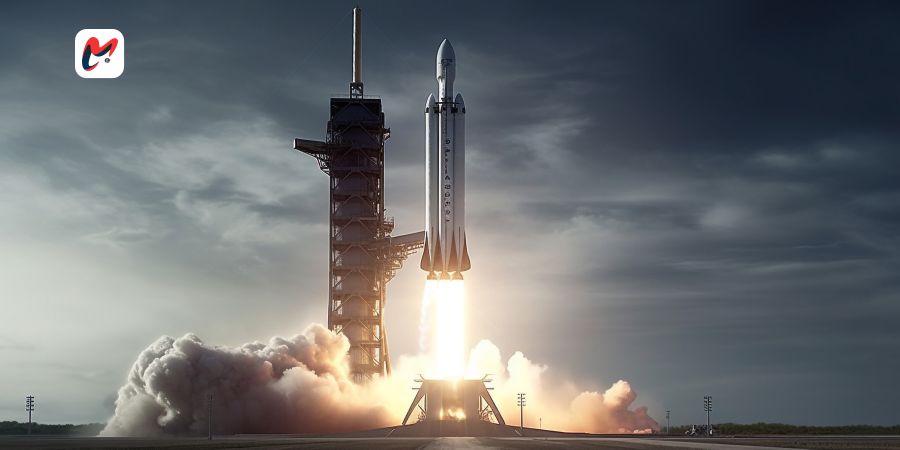
On Tuesday, SpaceX (SPCX.O) announced plans to construct its largest rocket launch facility to date in southern Louisiana. This $100 billion project will turn coastal marshes into a vital base for the company’s aspirations to launch Starships and AI satellites.
While SpaceX’s next-generation rocket is still in the late stages of development, the 125,000-acre (50,585-hectare) site on Pecan Island, which it christened Starbase Louisiana, is an extension of the company’s Starship launch activities beyond South Texas and those planned for Florida.
SpaceX President Gwynne Shotwell stated that the company’s second Starbase site will eventually launch thousands of Starship flights annually, confirming its aspirations for an ambitious cadence predicated on resolving difficult engineering problems and legal obstacles.
According to SpaceX, construction will start the following year, with the first Starship launch scheduled for 2029. At a meeting with Governor Jeff Landry and other high-ranking state officials, Shotwell described the ideas close to the potential location in Vermilion Parish, Louisiana.
According to Shotwell, SpaceX’s “self-sustaining” spaceport will have its own methane production for fuel, power generation, deep-water shipping capabilities to move Starships from Texas, vehicle processing facilities, and most likely an airport.
The marshy site is larger than Manhattan by a factor of eight. According to Shotwell, “very large portions” of the land will continue to be uninhabited natural wetlands. An animated SpaceX film depicted the area with multiple launch pads surrounded by vegetation.
With the construction of Starlink facilities in Austin, Texas, and Colossus AI data centers in Tennessee and Mississippi, SpaceX has dramatically increased its presence in the southern United States in recent years. In central Texas, a chip facility is being planned.