Highlights
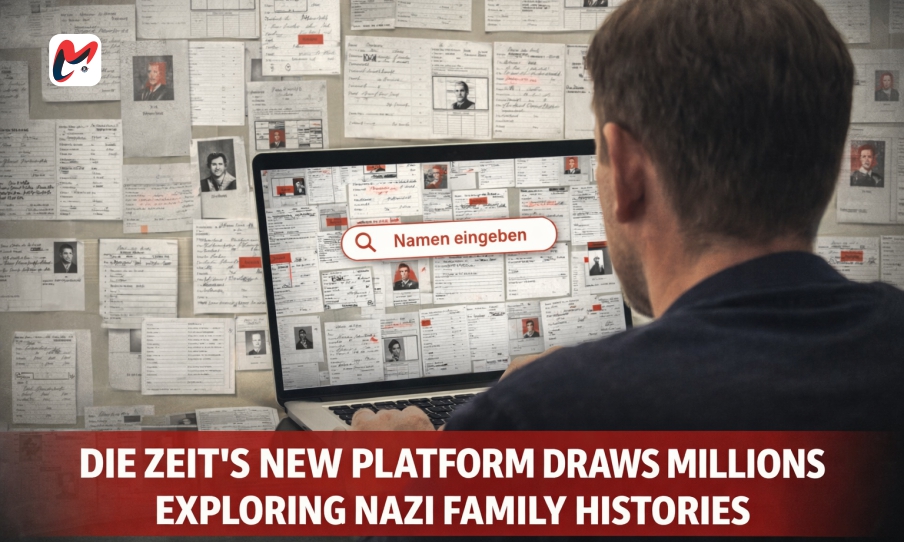
- Die Zeit created a public search engine that enables users to discover their ancestors’ membership in the Nazi Party.
- The platform received millions of user accesses within its first two days, which demonstrated strong public interest.
- The tool uses archival materials that German and American institutions have kept in their collections.
- The developers created a system that enables users to access historical membership information through advanced AI technologies.
- Users shared their emotional reactions after they discovered their family histories, which connected to the Nazi regime.
Key Takeaways
- The new database enabled millions of people to trace their family histories, which resulted in active exploration of their ancestral origins.
- AI-powered tools transformed archival records into searchable, user-friendly data because technology enables people to access historical documents.
- The platform encourages users to face difficult historical facts that have been hidden from the past.
- Perception gaps emerge when people who believed their families opposed the Nazi regime discover through records that their relatives had wider participation.
- Verified archival data establishes factual information about World War II history because primary records strengthen the truth against the rising tide of misinformation.
Core Background
The search platform, which Die Zeit created, enables users to access Nazi Party membership records while promoting transparency for historical accountability. The project combines information from the German Federal Archives and the US National Archives, which have maintained millions of membership records since World War II.
The Nazi Party experienced rapid growth during the 1930s because economic instability and political upheaval created a demand for membership. After Adolf Hitler gained power he removed all political enemies to create his totalitarian government. The party reached its highest membership numbers when 10 million Germans joined over two decades, but membership died down after World War II ended.
Nazi officials made efforts to erase all membership records after the war ended. Authorities kept the membership documents safe until they moved them to archival institutions, which now provide researchers with permanent access to the documents for studying purposes and historical verification.
The new search engine creates easier pathways for users to reach the database. Formal archive inquiries have allowed thousands of people to request information until now, which remains accessible through formal archive inquiries. Records remain available for users to search and discover their personal connections to this historical period.
People who discovered their family connections to the Nazi regime experienced intense emotional responses, according to multiple users. These findings usually contradict established beliefs about family backgrounds and community beliefs.
People joined the Nazi Party for different reasons, which historians identify as economic needs, political beliefs, and social pressures. The platform allows people to access records, which helps them build historical knowledge about the past while showing how evidence-based documentation needs to handle historical denial and distortion.