
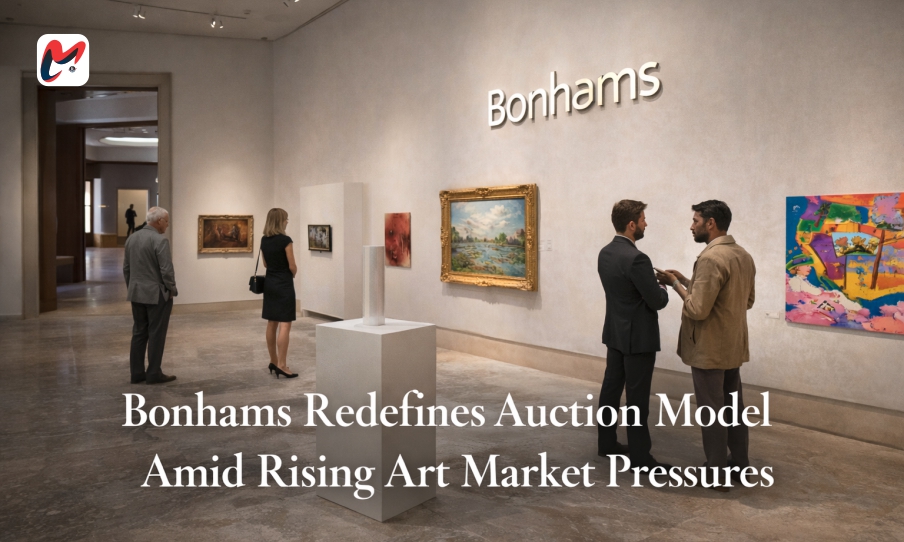
Highlights Bonhams will relocate its U.S. headquarters to Steinway Hall at 111 West 57th Street in New York City. The new space features an 80-foot glass atrium and a restored neoclassical rotunda, which provides visitors to the space with increased opportunities to experience its contents. Sotheby’s has used the Breuer Building to create a museum-like auction space, which shows how the entire industry has begun to change. Auction houses are creating new exhibition spaces, which will enable them to attract visitors while establishing themselves as centers of cultural activities. Bonhams intends to grow its collector base through the exhibition of different collection types, which include art, jewelry, wine, and antiquities. Key Takeaways Both Bonhams and Sotheby’s auction houses, between them, opened their exclusive areas to more people. The new exhibition spaces, together with cultural events, now serve to bring in fresh collectors to the museum. Bonhams wants to reach customers who fall between $50,000 and $1 million because they need to expand their customer base beyond ultra-wealthy buyers. The market changes because collectors with top-tier status now control buying power, which decreases access to art. Auction houses need to expand their operations into Asian and Middle Eastern markets because those regions provide them with business growth opportunities. Core Background Bonhams has chosen Steinway Hall as its new U.S. base, which represents a strategic effort to establish new methods for auction houses to connect with their clients. The new location combines architectural excellence with bright, spacious areas, which attract visitors to see the site as a cultural center instead of a retail space. The Breuer Building has become a new exhibition space for Sotheby's to use during their upcoming auction events. The auction industry undergoes major changes through these actions, which create better access to auction events and improve public awareness while delivering interactive experiences. Bonhams operates mainly in the mid-range market because it sells art pieces that cost between $50,000 and $1 million. The company wants to bring in new collectors through its expanded exhibition space and different product categories, which provide jewelry and watch items as easier ways to start buying. However, the wider artistic marketplace functions with fundamental system obstacles. The past ten years have seen price increases that now enable only extremely wealthy buyers to purchase through their financial power. Many mid-level collectors face difficulties because they now need to compete with auction houses, which attempt to attract their limited number of high-value customers. Auction houses need to develop new business models that will enable them to reach new markets through their Asian and Middle Eastern emerging wealth centers. The company is testing various new product categories, which include luxury collectibles and digital assets, to protect itself against market fluctuations. The market experiences periodic upturns, but it remains constrained by limited supply, which particularly affects the exclusive “masterpiece” category that contains rare items. Economic conditions create a situation where buyers must choose between options, which compels auction houses to enhance their selection methods and develop new pricing frameworks. Bonhams will unveil its new headquarters, which marks a transition in the business world to a new model that combines cultural elements with commercial activities and customer experiences while managing increasing market exclusivity and changing international consumer habits.Highlights

  • Bonhams will relocate its U.S. headquarters to Steinway Hall at 111 West 57th Street in New York City.
  • The new space features an 80-foot glass atrium and a restored neoclassical rotunda, which provides visitors to the space with increased opportunities to experience its contents.
  • Sotheby’s has used the Breuer Building to create a museum-like auction space, which shows how the entire industry has begun to change.
  • Auction houses are creating new exhibition spaces, which will enable them to attract visitors while establishing themselves as centers of cultural activities.
  • Bonhams intends to grow its collector base through the exhibition of different collection types, which include art, jewelry, wine, and antiquities.

Key Takeaways

  • Both Bonhams and Sotheby’s auction houses, between them, opened their exclusive areas to more people.
  • The new exhibition spaces, together with cultural events, now serve to bring in fresh collectors to the museum.
  • Bonhams wants to reach customers who fall between $50,000 and $1 million because they need to expand their customer base beyond ultra-wealthy buyers.
  • The market changes because collectors with top-tier status now control buying power, which decreases access to art.
  • Auction houses need to expand their operations into Asian and Middle Eastern markets because those regions provide them with business growth opportunities.

Core Background

Bonhams has chosen Steinway Hall as its new U.S. base, which represents a strategic effort to establish new methods for auction houses to connect with their clients. The new location combines architectural excellence with bright, spacious areas, which attract visitors to see the site as a cultural center instead of a retail space. The Breuer Building has become a new exhibition space for Sotheby’s to use during their upcoming auction events. The auction industry undergoes major changes through these actions, which create better access to auction events and improve public awareness while delivering interactive experiences.

Bonhams operates mainly in the mid-range market because it sells art pieces that cost between $50,000 and $1 million. The company wants to bring in new collectors through its expanded exhibition space and different product categories, which provide jewelry and watch items as easier ways to start buying.

However, the wider artistic marketplace functions with fundamental system obstacles. The past ten years have seen price increases that now enable only extremely wealthy buyers to purchase through their financial power. Many mid-level collectors face difficulties because they now need to compete with auction houses, which attempt to attract their limited number of high-value customers.

Auction houses need to develop new business models that will enable them to reach new markets through their Asian and Middle Eastern emerging wealth centers. The company is testing various new product categories, which include luxury collectibles and digital assets, to protect itself against market fluctuations.

The market experiences periodic upturns, but it remains constrained by limited supply, which particularly affects the exclusive “masterpiece” category that contains rare items. Economic conditions create a situation where buyers must choose between options, which compels auction houses to enhance their selection methods and develop new pricing frameworks.

Bonhams will unveil its new headquarters, which marks a transition in the business world to a new model that combines cultural elements with commercial activities and customer experiences while managing increasing market exclusivity and changing international consumer habits.


Read Also : Pope Leo XIV Challenges Trump, Calls Out Misuse of Religion