
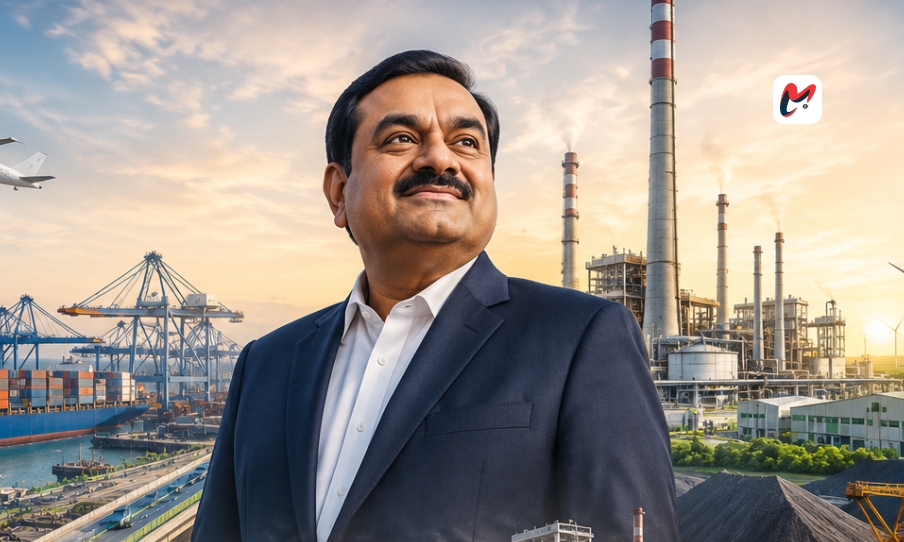
Late last decade, Gautam Adani took bold steps few expected. Now leading his family-founded empire, he reshaped how India moves goods and powers cities. Instead of sticking to old models, the company expanded fast across shipping hubs and flight centers. Power stations fueled by fossil sources grew alongside massive fields of sun-capturing panels. One moment it was coal terminals; next came hydrogen projects aiming far beyond national borders. Movement of cargo, production of electricity, storage of energy – all began linking under one network. While others waited, new pipelines, transmission lines, and clean-tech labs started rising in remote zones. Global traders noticed when port volumes jumped without government backing. A mix of risk-taking and long-term bets placed India at a supply-chain pivot point. Not every venture succeeded, yet momentum never slowed through storms or scrutiny. Energy shifts usually take generations – here, change arrived within years. The blueprint mixes dirty fuels today with zero-emission hopes tomorrow. No single person mirrors India’s complex climb like the man behind these sprawling holdings.
Heavy industry, flight fuel, and shipping could shift cleaner thanks to Adani’s big hydrogen ventures in Gujarat and Rajasthan – these efforts tie into India’s wider climate goals while opening doors for engineers, researchers, and planners. Coastal ports and air hubs under expansion are quietly redirecting trade flows across regions, pulling factory networks closer as companies rethink reliance on Chinese supply chains. Global investors and development lenders now watch Adani-backed builds like thermometers, reading them as signs of how fast India modernizes its economy and updates outdated rules.