
Highlights
- European markets moved lower as investors reacted to conflicting developments surrounding potential negotiations tied to the Iran conflict.
- The pan-European STOXX Europe 600 declined while energy market uncertainty continued influencing global sentiment.
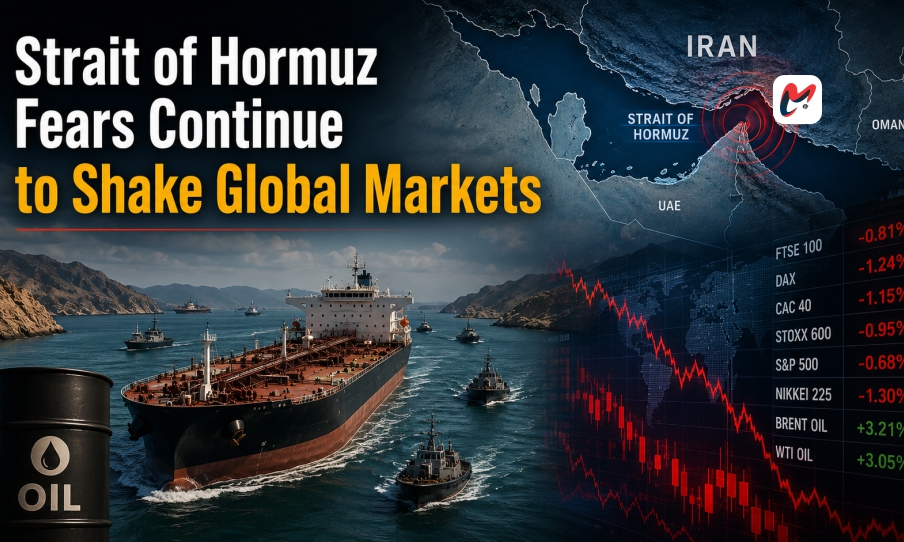
- Oil prices climbed after renewed U.S. military activity in Iran and ongoing concerns surrounding the strategically critical Strait of Hormuz.
- Defense stocks rallied sharply following new European military support developments involving Ukraine.
- Investors are also closely monitoring upcoming U.S. inflation data that could influence future Federal Reserve policy decisions.
Key Takeaways
- Geopolitical uncertainty continues pressuring markets: Mixed diplomatic and military signals are keeping investors cautious.
- Energy security remains central to global sentiment: Concerns around the Strait of Hormuz continue driving oil market volatility.
- Defense stocks benefit from rising security spending expectations: European military suppliers gained momentum on renewed Ukraine support developments.
- Oil markets remain highly sensitive to Middle East developments: Any escalation involving Iran continues affecting global energy pricing.
- Macro and geopolitical risks are colliding simultaneously: Investors are balancing inflation concerns with international conflict exposure.
Core Background
European equity markets weakened as investors evaluated uncertain diplomatic signals surrounding the ongoing Iran conflict and its broader implications for energy markets and global stability.
Concerns intensified after renewed U.S. military actions in Iran coincided with mixed messaging around possible negotiations aimed at reducing regional tensions.
At the center of market anxiety remains the Strait of Hormuz, one of the world’s most strategically important energy shipping corridors. Any threat to commercial access through the region has immediate consequences for global oil supply expectations and commodity pricing.
Oil prices moved higher as traders responded to escalating security concerns and uncertainty surrounding future shipping stability in the Gulf region.
At the same time, defense companies across Europe recorded strong gains after fresh military cooperation developments involving Ukraine strengthened expectations for continued defense spending growth.
The movement in European defense shares reflects a broader trend reshaping regional markets, where geopolitical instability increasingly influences industrial, energy, and security-sector investment flows.
Meanwhile, investors are also preparing for key U.S. inflation data, which could shape expectations around interest rates and monetary policy in the coming months.
The combination of geopolitical tension, energy market sensitivity, defense sector momentum, and inflation uncertainty continues to create a highly volatile environment for global financial markets.